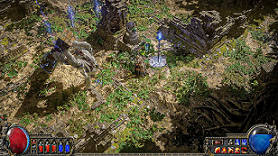
In the grim and brutal world of Path of Exile, few weapons command the same awe as Starforge. This legendary two-handed sword channels the very fabric of space and POE orbs reality into devastating physical blows. Known for its massive base damage and unique interaction with elemental conversions, Starforge offers a distinct and powerful foundation for melee builds. In Rise of Starforge, players embrace raw strength, forsake elemental power, and cleave through enemies with galactic might.
This guide breaks down everything you need to know to wield Starforge effectively: item overview, optimal builds, passive tree planning, gear synergies, and bossing strategies.
What Makes Starforge Unique? Starforge Infernal Sword is a unique item with the following core features:
+400 to 500% increased Physical Damage
Adds 90 to 100 Physical Damage
20% increased Attack Speed
Your Physical Damage can Shock
Cannot deal Elemental Damage
+20% to Maximum Life
Enemies you Shock take increased Damage
Pros: Exceptionally high raw physical DPS
High life bonus makes it ideal for tanky builds
Ability to shock using pure physical damage (normally not possible)
Excellent for critical or fast-hitting melee builds
Cons: No elemental scaling – you must avoid elemental conversion, which disqualifies many popular mechanics
Limits certain support gem combinations and ascendancy choices
Lacks crowd-control from elemental ailments (aside from shock)
Best Ascendancies for Starforge Builds Several ascendancies can capitalize on Starforge’s strengths. The best choices emphasize physical damage scaling, critical strike efficiency, and life sustain.
Slayer (Duelist) – Best Overall Endless Hunger and Brutal Fervour provide leech that continues after full life – ideal for survivability.
Headsman grants increased AoE and on-kill bonuses, making Slayer great for both clear and bossing.
Juggernaut (Marauder) – Tankiest Option Extremely durable and excels in armor-based defenses.
Perfect for Hardcore or players wanting to face endgame bosses head-on.
Champion (Duelist) – Defensive + Offense Hybrid Gain Fortify, taunt enemies, and scale impale with Master of Metal.
Strong for physical impale builds with high uptime and reliable mitigation.
Recommended Skills with Starforge When using Starforge, prioritize physical-damage melee skills that scale with weapon damage and attack speed.
Cyclone – Smooth, Mobile Clear Great synergy with Starforge’s high base damage and AoE scaling.
Leverages Slayer’s leech uptime for excellent sustain.
Earthshatter – High AoE Burst Spikes for big damage against large groups or bosses.
Excellent with Warcry support.
Heavy Strike / Static Strike – Single-Target Focus For players who want a classic melee feel.
Benefits from critical strike chance and high impact.
Boneshatter – Risky, Rewarding Scales with hit damage but inflicts self-damage on each swing.
When built correctly (especially with Juggernaut), Boneshatter can yield extreme DPS with Starforge.
Passive Tree and Keystone Support Your passive tree should emphasize:
Two-Handed Melee Nodes: Born to Fight, Slaughter, Butchery
Attack Speed & Critical Strikes: Blade of Cunning, Disemboweling
Life & Armor: Golem’s Blood, Juggernaut, Soul of Steel
Notable Keystones:
Resolute Technique (if you're not crit-based): Guaranteed hits at the cost of crits.
Iron Reflexes: Converts evasion to armor – synergizes with armor-based builds.
Call to Arms: For instant Warcry usage (great with Earthshatter/Boneshatter).
Cluster jewels can be used to enhance melee damage, physical scaling, and leech effectiveness.
Gear Synergies and Support Items Since Starforge restricts elemental scaling, you must build entirely around physical damage. Your other gear should complement this.
Helmet: Abyssus (high damage but lower defenses – risky)
Devoto’s Devotion (attack speed and movement speed)
Rare helm with +life and -% enemy phys reduction.
Chest: Kaom’s Heart for raw life scaling
Brass Dome for max resists and mitigation
Rare armor with life, resists, and armor rating
Gloves & Boots: Look for attack speed, life, resistances, and movement speed.
Quartz / Basalt / Life / Staunching flasks for defense
Mapping and Bossing Tips Clearing Maps: Use Cyclone or Earthshatter with AoE scaling.
Leech will keep your life topped off, especially with Slayer.
Pair with Herald of Purity or Pride for strong offensive auras.
Bossing: Swap to Heavy Strike or Boneshatter for bosses with single-target vulnerabilities.
Use Warcries like Seismic Cry or Intimidating Cry to boost DPS windows.
Position carefully—Starforge excels when uninterrupted.
Final Thoughts Path of Exile: Rise of Starforge is more than a build—it’s a mindset. You wield a weapon born of madness and starlight, shunning elemental trickery in favor of brutal, honest destruction. Whether you’re cleaving through hordes in Cyclone or stunning bosses with seismic might, Starforge offers unmatched melee power when supported by the right build and gear.
So if you seek to become a juggernaut of steel and cosmic wrath, step into Wraeclast with Starforge in hand—and cheap POE orbs carve your legend into the stars.
In Monopoly Go, building your empire takes more than just spinning dice—it requires sharp timing and strategic risk-taking. One of the most powerful tools in your arsenal is the Dice Multiplier, a feature that can either accelerate your progress or deplete your dice reserves in seconds. This guide will help you master the Tycoon’s Gambit—the art of knowing when and Monopoly Go Stickers how to use the Dice Multiplier for maximum impact.
What Is the Dice Multiplier? The Dice Multiplier lets you roll multiple dice in one move, magnifying any rewards earned from that roll. Whether it’s cash, stickers, event points, or special tiles, the multiplier boosts the outcome, making it a core mechanic for competitive players.
The multiplier typically ranges from x2 up to x100 or more, depending on your progress and current events. Used wisely, it can fast-track your success in limited-time events like Sticker Albums, Peg-E Drops, or Partners collaborations. Used carelessly, it can leave you empty-handed.
The Tycoon’s Gambit: Strategy Over Luck Using the Dice Multiplier isn’t just about rolling big—it’s about calculating risk versus reward. The Tycoon’s Gambit refers to leveraging multipliers when the potential return far outweighs the dice spent. Timing, positioning, and event awareness are all crucial.
The goal? Maximize your reward per roll—not just roll for the sake of speed.
Optimal Moments to Go Big 1. Event-Driven Tiles Whenever there’s a live event—especially those that award points from specific tiles like Railroads, Chance, or Rent—using a high multiplier can make a huge difference.
For example, hitting a Rent tile during Rent Frenzy or High Roller with a x50 or x100 multiplier can yield massive coin rewards. The same logic applies to landing on Railroads during Peg-E Drops, where the added points can quickly unlock premium prizes.
2. Sticker Farming and Golden Blitz During Sticker Events or Golden Blitz, tiles like Chance or Community Chest often drop extra stickers. Using multipliers here increases the number of stickers earned per landing.
To push through sticker milestones efficiently, stack your multiplier during these windows—especially if you're trying to complete an album or chase a rare gold card.
3. Partner Events When you’re racing to fill your partner progress bar, multipliers make each tile count more. Coordinating your rolls and using high multipliers while hitting Partner tiles ensures faster progress and improved chances at unlocking final tier rewards.
When to Play It Safe 1. Unproductive Tile Zones If you’re entering a stretch of the board with little reward—like passing Go, landing on blank tiles, or visiting jail—multipliers provide no real advantage. Save your dice for more valuable opportunities.
2. Uncertain Movement Using a high multiplier when you’re a long distance away from a valuable tile often leads to wasted rolls. Worse, you might land on an unlucky tile like “Go to Jail,” completely nullifying the multiplier’s potential.
Before committing to a high-risk roll, assess your board position and plan ahead.
3. Low Dice Reserves High multipliers chew through dice rapidly. If you're under 300 dice and don’t have an immediate way to earn more, stick to x2–x5 rolls to conserve resources while still making progress.
Pro Tips for Multiplier Efficiency Count Your Tiles One of the most effective strategies is tile counting. If you know you’re exactly 8 tiles from a Rent tile, switch to a x10 or x25 multiplier and aim to land precisely. This technique is especially valuable during Rent Frenzy or Partner events.
Stack with Boosts Multipliers become even more powerful when paired with High Roller, Cash Grab, or Sticker Boosts. Activate your boosts first, then go all-in with a multiplier to get the most out of every dice.
Plan Your Push Every day, plan a specific session where you spend your dice in a burst using high multipliers—ideally during a valuable event window. This helps conserve resources and makes the most of your rolls when the timing is right.
Communicate with Partners If you’re participating in a Partner event, sync up your multiplier pushes with your teammates. Landing big at the right time can close gaps quickly and push you over event milestones together.
Final Thoughts: Multiply Smart, Not Fast The Dice Multiplier in Monopoly Go is a powerful mechanic designed for players who want to move fast—but it rewards brains over bravado. The Tycoon’s Gambit is about playing smart, identifying key opportunities, and taking calculated risks that pay off big.
Used wisely, multipliers can be the difference between scraping by in an event and sweeping the leaderboard. So the next time you're tempted to roll x100, ask yourself: Is this the moment to gamble? Or is the real power in knowing when to wait?
Master the gamble, dominate the board, and Monopoly Go buy Stickers become the tycoon Monopoly Go was meant for.
In the ever-expanding world of Lineage 2M, the Shadowbrand stands as one of the most coveted weapons—a two-handed greatsword imbued with dark elemental energy and forged in the shadow of the fearsome Abyssal Knight. This legendary blade is more than a status symbol; it’s a game-changer for players looking to dominate high-end PvE and PvP encounters. This guide will walk you through every step—preparation, boss mechanics, weapon benefits, and Lineage 2M Diamonds build strategies—to master the Shadowbrand and the Abyssal Knight encounter.
What is the Shadowbrand? The Shadowbrand is a high-tier, dark-element greatsword dropped exclusively by the Abyssal Knight, a formidable world boss hidden in the depths of the Crypt of Hollow Suffering. Designed for advanced melee classes, it enhances both offensive capabilities and survivability through its passive effects.
Shadowbrand Stats Attack Power: +410
Dark Element Bonus: +35%
Passive: 8% chance to trigger Void Rend – deals area damage and silences enemies
This blade is especially lethal in prolonged fights and excels against enemies weak to dark or holy power.
Reaching the Abyssal Knight To obtain the Shadowbrand, you must first reach and defeat the Abyssal Knight deep within the Crypt of Hollow Suffering—a multi-level dungeon filled with cursed monsters, traps, and minibosses.
Team Composition Recommendations Tank (Paladin/Warlord): Holds aggro, absorbs frontal damage
Support DPS (Sword Muse/Death Knight): Deals consistent damage and assists with crowd control
Healer (Bishop/Elder): Removes debuffs, heals through boss phases
Debuffer (Necromancer/Dark Wizard): Lowers the Knight’s defenses and interrupts mechanics
DPS (Archer, Dual Sword): Focused damage dealers, preferably using holy or fire weapons
Required Gear Holy Resistance talismans and accessories
Armor with sockets for status resistance
Potions: HP, MP, dark resistance
Buff scrolls and Soulshots to enhance output
Speed and coordination are essential, as enemy respawn timers can delay progress significantly.
Dungeon Overview: Crypt of Hollow Suffering Navigating through the crypt is a challenge in itself. Each of the five floors presents unique obstacles:
Floors 1–2: Stealth or crowd control needed to avoid patrol swarms
Floor 3: Defeat the Soul Guardian to pass dark resistance gates
Floor 4: Manage MP-draining curses and cursed ground tiles
Floor 5: Kill the Abyssal Warden to gain access to the Knight’s lair
Only experienced and well-prepared parties should attempt this dungeon. Death penalties and boss resets are punishing.
Boss Fight Guide: Abyssal Knight This battle is divided into three phases, each more brutal than the last. Coordination is key.
Phase 1 – Knight’s Presence Void Slash: Frontal cone AOE; tanks should face the boss away from the team
Dark Shackles: Reduces movement and casting speed; cleanse immediately
Abyssal Flames – persistent DOT zones on the floor
Shadow Constructs – summoned adds that buff the boss
Tactics: Assign burst DPS to eliminate constructs fast; move constantly to avoid flames
Phase 3 – Final Stand At 25% HP, the Knight becomes enraged
Gains Void Rend, causing wide-range silence and burst damage
Tactics: Use defensive ultimates, rotate healing cooldowns, and focus on surviving while burning down the boss
Looting the Shadowbrand The Shadowbrand has a 4% drop rate and only becomes available if you:
Are in the top 3 contributors to boss damage
Deal at least 5% of total boss HP
Are alive and nearby when the boss dies
If dropped, the weapon enters a shared loot pool. Make sure your group has clear distribution rules before starting.
Best Classes for Shadowbrand Builds Not every class is suited for the Shadowbrand. Its true potential shines in characters that thrive on close-range pressure and sustain.
Recommended Classes Dark Avenger: Specializes in dark attacks, synergizes with Void Rend
Tyrant: High-speed melee burst, ideal for triggering life-leech
Phantom Knight: Stealth and control, excellent in PvP duels
Key Skills to Enhance the Shadowbrand Dark Weapon Mastery: Increases dark-element damage
Voidborn Resilience: Reduces cooldowns and enhances survivability
Blood Offering (if available): Boosts life-steal further for tanky playstyles
PvE and PvP Impact PvE Usage Exceptional for dungeon crawling and world boss farming
Passive healing allows for fewer interruptions in combat
AOE silence provides crowd control during mob-heavy encounters
PvP Usage Excellent for frontline skirmishers and duelists
Silence from Void Rend can shut down casters or interrupt combos
Life-leech gives sustain advantage in extended fights
Conclusion: Rise from the Abyss The Shadowbrand is more than just a weapon—it’s a rite of passage for elite players. Defeating the Abyssal Knight proves your mastery of group tactics, resource management, and combat execution. Once obtained, the Shadowbrand elevates your damage output, survivability, and prestige across the battlefield.
If you're ready to walk the path of shadows and carve your legend into Aden, gather your allies and Lineage 2M Diamonds for sale descend into the depths. The Abyssal Knight waits, and with him, your destiny.
In Monopoly Go, success isn’t just about luck — it’s about strategy, timing, and Monopoly Go Stickers knowing how to use the tools at your disposal. One of the most powerful mechanics in the game is the Dice Multiplier, a feature that can catapult your progress during events or drain your dice reserve if used carelessly. In this guide, we explore how to master this risk-reward mechanic in what we’re calling the Tycoon’s Gambit — the art of maximizing gains with the Dice Multiplier in Monopoly Go.
What Is the Dice Multiplier? The Dice Multiplier allows you to roll multiple dice at once (e.g., x2, x5, x10, up to x100 or more) to amplify your rewards on each roll. This feature becomes available as you progress through the game and is especially useful during limited-time events such as Sticker Albums, Partners, or Board Completion challenges.
Multiplier Benefits: Increases event points gained per tile
Multiplies cash rewards
Accelerates sticker collection progress
Boosts milestone completion speed
But with great power comes great responsibility. The wrong multiplier at the wrong time can leave you with nothing to show but an empty dice tray.
Understanding the Tycoon’s Gambit The “Tycoon’s Gambit” is all about strategic risk-taking. It’s not about always using the highest multiplier — it’s about knowing when and why to use it. Think of it as high-stakes investing: your dice are your currency, and you want the biggest return on investment (ROI).
When to Use High Multipliers 1. During Events with Point Tiles In events like Peg-E Prize Drop, Rent Frenzy, or Board Rush, certain tiles give you points toward milestone rewards. If you land on these tiles with a multiplier, you multiply the event points received.
Best Practice: Use higher multipliers (x25–x100) when you’re close to high-value event milestones, especially during boosted hours or tile events.
Example: Landing on a “Rent” tile during High Roller or Rent Frenzy with a x50 multiplier can net you enormous cash — especially if you’ve upgraded landmarks.
2. Golden Blitz or Sticker Events Sticker events reward you for landing on specific tiles (like Railroads or Chance). Using a multiplier while landing on these tiles can rapidly boost your sticker count.
Best Practice: Stack your multiplier with a Boosted Sticker Drop timer. Use x10–x100 to maximize your sticker yield during active drop windows.
3. Partners Events Landing on Partner tiles with a multiplier increases your progression speed in Partner collaboration events.
Best Practice: Coordinate with your partner to hit target tiles at high multipliers, especially if you’re behind on rewards.
When to Avoid High Multipliers 1. Low Return Tiles Landing on basic tiles (like "Just Visiting" or empty properties) with high multipliers gives no bonus rewards — just lost dice.
Avoid: High multipliers when you’re far from Railroad or Rent tiles.
2. Unpredictable Movement If you’re near a Chance tile that could send you to Jail or to a less desirable part of the board, using high multipliers is risky.
Tip: Wait for a clean stretch of valuable tiles before going big.
3. Running Low on Dice Multipliers can drain your dice stash very quickly. If you have fewer than 300–500 dice and no refills available, avoid using anything higher than x5 unless there's a guaranteed return tile ahead.
Dice Multiplier Tiers: Strategic Uses Multiplier When to Use x2–x5 Safe rolls, general use, early event progress x10–x25 Mid-event pushes, Rent tile hunting x50–x100 Endgame milestones, boosted events, sticker farming x200+ Only during High Roller boosts with targeted landing strategy
Advanced Techniques for Tycoon Players Tile Counting Track your position and calculate the number of tiles to key events. If you’re 10 tiles from a Rent tile, use the x10 multiplier. If you're 20+ away, hold off or use a low multiplier.
Forced Rerolls If you overshoot a valuable tile, lower the multiplier and continue rolling until you're close again. Then ramp it back up.
Save Boosted Tiles Don’t use your dice boosts the moment you get them. Wait until a multiplier-friendly event is running, then combine both for max efficiency.
Daily Routine for Tycoons Morning Check-in: Review active events and their key tiles.
Dice Management: Keep at least 300–500 dice in reserve for emergencies.
Bonus Stack: Combine multipliers with free dice bonuses or High Roller timers.
Daily High-Risk Push: Set aside a specific time daily for a controlled high-multiplier push — ideally during sticker or rent boosts.
Partner Sync: In Partner events, communicate multiplier plans with teammates.
Conclusion: Win Big or Roll Smart The Dice Multiplier in Monopoly Go is a double-edged sword — one that can propel you to the top of the leaderboard or leave you bankrupt if used recklessly. Mastering the Tycoon’s Gambit means using this tool strategically, timing your plays, and knowing exactly when the risk is worth the reward.
Be bold, roll wisely, and Monopoly Go Partners Event turn your Monopoly empire into a tycoon’s paradise — one multiplier at a time.
In the unforgiving sands of Dune: Awakening, few items carry the same weight—both literal and symbolic—as the Crysknife of Shai-Hulud. Forged from the tooth of a sandworm, this sacred blade is far more than a combat tool. It’s a spiritual emblem of the Fremen people, a rite of passage, and a symbol of survival in the harsh world of Arrakis. This guide explores how to earn the Crysknife, how to wield it effectively in combat, and how to build your character around its deadly elegance.
1. What is the Crysknife of Shai-Hulud? In Dune: Awakening, the Crysknife is a ceremonial weapon of the Fremen, created from the tooth of the great sandworms—revered as Shai-Hulud. It’s a short, curved blade known for its unmatched sharpness and spiritual significance. Possessing one marks you as someone who has earned the respect of the desert.
Unlike standard weapons, Crysknives cannot be crafted on a workbench or purchased. Instead, they must be earned, discovered, or taken from the fallen. Their power lies not only in their cutting ability but in their heritage—they are tied to the desert and to tradition.
2. How to Obtain the Crysknife Acquiring a Crysknife is not a simple matter of luck—it requires dedication and often loyalty to the Fremen way of life.
Pathways to Ownership: Fremen Trials: Aligning with the Fremen and completing their initiation questline is the most authentic path. These missions involve enduring spice trances, navigating worm sign, and proving yourself in deadly combat trials.
Elite Fremen Opponents: High-ranking Fremen NPCs—guardians, champions, or warbands—sometimes wield Crysknives. Defeating them in PvE or open-world PvP may grant you one.
Hidden Desert Shrines: In remote sietches or ceremonial caves, you may uncover a Crysknife left behind by an honored dead. These require high Perception or Lore to locate.
Once in your possession, the blade must be ritually bonded. Without this, it will degrade quickly, eventually crumbling in your hand. The ritual involves a shaman or a spiritual site and binds the blade to your character permanently.
3. Using the Crysknife in Combat The Crysknife is built for close-quarters precision. It isn’t designed to cleave through crowds or block heavy attacks—it thrives on speed, finesse, and deadly accuracy.
Combat Features: Quick Strikes: Tap for a series of rapid slashes that overwhelm foes unprepared for close combat.
Precision Thrust: Charge up for a devastating stab—ideal when catching enemies from stealth or striking their weak points.
Desert Bleed: Crysknife strikes apply a unique bleeding effect that causes internal injuries, bypassing armor.
Sandstep Ability: Exclusive to Crysknife wielders, this lets you blink a short distance instantly, ideal for ambushes or escapes.
PvE Usage: Best used against lightly armored enemies or monsters with exposed weak points.
Combine stealth and elevation for surprise kills.
Effective in confined spaces like tunnels or ruins where larger weapons are unwieldy.
PvP Strategy: Utilize Dust Cloak or terrain camouflage to close gaps unnoticed.
Target isolated opponents and strike before they can react.
In duels, bait opponents into overcommitting, then use Sandstep to reposition and counterattack.
4. Recommended Build for Crysknife Masters To unlock the blade’s true potential, your character should prioritize stealth, mobility, and critical strikes. A high-risk, high-reward playstyle awaits.
Build: “Ghost of the Dunes” Core Stats: Focus on Agility, Dexterity, and Perception.
Signature Abilities:
Dust Cloak: Become invisible in the open desert for a short time.
Sandstep: Short-range teleport for attack or disengagement.
Spice Reflexes: Temporarily slow down time for pinpoint dodges and strikes.
Gear Synergy:
Lightweight armor with desert camouflage effects.
Accessories that reduce cooldowns or increase crit chance.
Mods from Fremen artisans that enhance Crysknife performance (available only via faction reputation).
This build emphasizes ambush, critical hits, and mobility—perfect for lone wolves or elite scouts.
5. Maintenance and Upgrades Crysknives are spiritual tools, not disposable gear. They don’t follow traditional upgrade paths.
Upkeep & Enhancement: Visit Fremen sages periodically to perform blade blessings, which restore durability and sharpen edge damage.
Avoid letting the blade sit idle in storage—doing so weakens its bond and effectiveness.
Never sell or trade the blade—this is considered blasphemy and will trigger a curse status, weakening your character until atonement.
Enhancements involve spiritual rituals, not physical crafting. You might need rare desert relics or wormbone shards to awaken the Crysknife’s hidden traits.
6. Roleplay & Faction Impact Beyond stats and skills, the Crysknife influences your social standing. Drawing the blade in front of a Fremen elder without cause is a grave offense. Wielding it in combat may earn you respect—or fear—from other players and factions.
Some quests, dialogue options, and diplomatic choices only become available to recognized Crysknife bearers. Owning one can mark you as a figure of legend—or a target for those who seek to claim it.
Conclusion The Crysknife of Shai-Hulud is not just a blade—it’s a living connection to the soul of Arrakis. To wield it is to honor the traditions of the Fremen and cheap Dune Awakening Solari accept the desert’s judgment. In Dune: Awakening, this weapon offers more than sharpness—it offers purpose. Whether used to strike down foes in silence or carried with reverence into battle, the Crysknife represents the deadly grace of the desert.
In Monopoly Go, success isn’t just about luck — it’s about strategy, timing, and Monopoly Go Stickers knowing how to use the tools at your disposal. One of the most powerful mechanics in the game is the Dice Multiplier, a feature that can catapult your progress during events or drain your dice reserve if used carelessly. In this guide, we explore how to master this risk-reward mechanic in what we’re calling the Tycoon’s Gambit — the art of maximizing gains with the Dice Multiplier in Monopoly Go.
What Is the Dice Multiplier? The Dice Multiplier allows you to roll multiple dice at once (e.g., x2, x5, x10, up to x100 or more) to amplify your rewards on each roll. This feature becomes available as you progress through the game and is especially useful during limited-time events such as Sticker Albums, Partners, or Board Completion challenges.
Multiplier Benefits: Increases event points gained per tile
Multiplies cash rewards
Accelerates sticker collection progress
Boosts milestone completion speed
But with great power comes great responsibility. The wrong multiplier at the wrong time can leave you with nothing to show but an empty dice tray.
Understanding the Tycoon’s Gambit The “Tycoon’s Gambit” is all about strategic risk-taking. It’s not about always using the highest multiplier — it’s about knowing when and why to use it. Think of it as high-stakes investing: your dice are your currency, and you want the biggest return on investment (ROI).
When to Use High Multipliers 1. During Events with Point Tiles In events like Peg-E Prize Drop, Rent Frenzy, or Board Rush, certain tiles give you points toward milestone rewards. If you land on these tiles with a multiplier, you multiply the event points received.
Best Practice: Use higher multipliers (x25–x100) when you’re close to high-value event milestones, especially during boosted hours or tile events.
Example: Landing on a “Rent” tile during High Roller or Rent Frenzy with a x50 multiplier can net you enormous cash — especially if you’ve upgraded landmarks.
2. Golden Blitz or Sticker Events Sticker events reward you for landing on specific tiles (like Railroads or Chance). Using a multiplier while landing on these tiles can rapidly boost your sticker count.
Best Practice: Stack your multiplier with a Boosted Sticker Drop timer. Use x10–x100 to maximize your sticker yield during active drop windows.
3. Partners Events Landing on Partner tiles with a multiplier increases your progression speed in Partner collaboration events.
Best Practice: Coordinate with your partner to hit target tiles at high multipliers, especially if you’re behind on rewards.
When to Avoid High Multipliers 1. Low Return Tiles Landing on basic tiles (like "Just Visiting" or empty properties) with high multipliers gives no bonus rewards — just lost dice.
Avoid: High multipliers when you’re far from Railroad or Rent tiles.
2. Unpredictable Movement If you’re near a Chance tile that could send you to Jail or to a less desirable part of the board, using high multipliers is risky.
Tip: Wait for a clean stretch of valuable tiles before going big.
3. Running Low on Dice Multipliers can drain your dice stash very quickly. If you have fewer than 300–500 dice and no refills available, avoid using anything higher than x5 unless there's a guaranteed return tile ahead.
Dice Multiplier Tiers: Strategic Uses Multiplier When to Use x2–x5 Safe rolls, general use, early event progress x10–x25 Mid-event pushes, Rent tile hunting x50–x100 Endgame milestones, boosted events, sticker farming x200+ Only during High Roller boosts with targeted landing strategy
Advanced Techniques for Tycoon Players Tile Counting Track your position and calculate the number of tiles to key events. If you’re 10 tiles from a Rent tile, use the x10 multiplier. If you're 20+ away, hold off or use a low multiplier.
Forced Rerolls If you overshoot a valuable tile, lower the multiplier and continue rolling until you're close again. Then ramp it back up.
Save Boosted Tiles Don’t use your dice boosts the moment you get them. Wait until a multiplier-friendly event is running, then combine both for max efficiency.
Daily Routine for Tycoons Morning Check-in: Review active events and their key tiles.
Dice Management: Keep at least 300–500 dice in reserve for emergencies.
Bonus Stack: Combine multipliers with free dice bonuses or High Roller timers.
Daily High-Risk Push: Set aside a specific time daily for a controlled high-multiplier push — ideally during sticker or rent boosts.
Partner Sync: In Partner events, communicate multiplier plans with teammates.
Conclusion: Win Big or Roll Smart The Dice Multiplier in Monopoly Go is a double-edged sword — one that can propel you to the top of the leaderboard or leave you bankrupt if used recklessly. Mastering the Tycoon’s Gambit means using this tool strategically, timing your plays, and knowing exactly when the risk is worth the reward.
Be bold, roll wisely, and buy Monopoly Go Partners Event turn your Monopoly empire into a tycoon’s paradise — one multiplier at a time.
Yama's Contracts are a valuable resource in Old School RuneScape (OSRS), offering players a streamlined way to craft combination runes without the usual requirements. These contracts are tied to the Guardians of the Rift minigame, a cooperative activity focused on Runecrafting. This guide will walk you through everything you need to know to efficiently earn Yama's Contracts and RuneScape gold leverage their benefits.
1. What Are Yama's Contracts? Yama's Contracts are consumable items purchased from Yama, one of the elemental guardians in the Guardians of the Rift minigame. When used, they allow players to craft combination runes (e.g., lava, mist, or dust runes) without needing the opposing talisman. For example, crafting lava runes typically requires both fire and earth talismans, but with a contract, only the fire talisman is needed. This saves inventory space and time, making them ideal for efficient Runecrafting training or profit.
2. Requirements Before diving into the minigame, ensure you meet these prerequisites:
Runecrafting Level 27: Required to participate in Guardians of the Rift.
Enter the Abyss Miniquest: Complete this short quest (no skill requirements) to access the Abyss, though it’s not mandatory for the minigame itself.
Recommended Gear:
Runecrafting Pouches (small to giant) to hold extra essence.
Stamina Potions for energy management.
Runecrafting Outfits (e.g., Hat of the Eye) for bonus XP.
Magic Imbue Spell (optional, Lunar spellbook) for combo runes without talismans.
3. Participating in Guardians of the Rift Location: Speak to Apprentice Cordelia near the Temple of the Eye (south of Falador) to enter the minigame.
Minigame Overview Guardians of the Rift involves defending rifts from abyssal creatures by crafting runes. The game has two phases:
Preparation Phase (2:30 minutes):
Mine Guardian Fragments from the central mine.
Convert fragments into Uncharged Cells at workbenches.
Charge cells at an active elemental or catalytic altar (altars rotate each round).
Deposit charged cells into the Barrier to power it.
Rift Phase (2:30 minutes):
Use the Great Guardian to close rifts by crafting runes.
Collect Elemental or Catalytic Guardian Stones from the rift, then craft corresponding runes at nearby altars.
Deposit crafted runes into the Guardian to close the rift.
Successfully closing rifts rewards points and loot.
4. Earning Reward Points Points are earned by contributing to the minigame:
1 Point per Elemental/Catalytic Energy: Earned by depositing guardian stones or crafted runes.
Bonus Points: Repairing barriers or assisting teammates.
Yama's Contracts cost 150 points each. Points accumulate across games, so you don’t need to earn all 150 in one round.
5. Trading with Yama After a round, speak to Yama (located in the central area) and select "Rewards." Choose "Purchase rewards" and exchange 150 points for one Yama's Contract. You can buy multiple contracts if you have enough points.
6. Tips for Efficiency Prioritize Catalytic Stones: Catalytic altars (e.g., law, death) grant more XP and points but require higher Runecrafting levels.
Use Pouches: Upgrade to the colossal pouch (85 Runecrafting) for maximum essence storage.
Stamina Management: Use stamina potions to mine and craft faster.
Repair Barriers: Earn extra points by fixing barriers during the preparation phase.
Team Coordination: Focus on elemental or catalytic stones as a group to close rifts quicker.
7. Advanced Tactics Magic Imbue: Combine with Yama's Contracts to craft combo runes without talismans or opposing tiaras.
NPC Contact: Replenish pouches without leaving the game (Lunar spellbook).
Abyssal Bracelet: Teleport to the Abyss for quick essence mining (if exiting the minigame).
8. Using Yama's Contracts Once obtained, use a contract before crafting combo runes:
Equip the required talisman (e.g., fire for lava runes).
Use the contract from your inventory.
Craft the runes at the corresponding altar.
Note: Contracts are single-use. Stock up for extended crafting sessions.
9. Common Mistakes to Avoid Ignoring Barriers: Letting barriers collapse reduces rewards.
Unbalanced Contributions: Focus on both elemental and catalytic energies to maximize points.
Wasting Time: Avoid idling; mine essence or craft runes constantly.
Overlooking Upgrades: Upgrade pouches and gear for better efficiency.
10. Conclusion Yama's Contracts are a game-changer for Runecrafting enthusiasts. By mastering the Guardians of the Rift minigame, you can efficiently farm these contracts and streamline your combo rune production. Focus on teamwork, optimize your strategy, and OSRS GP soon you’ll reap the rewards of faster XP and profits. Happy crafting!
In the grim and brutal world of Path of Exile, few weapons command the same awe as Starforge. This legendary two-handed sword channels the very fabric of space and reality into devastating physical blows. Known for its massive base damage and POE orbs unique interaction with elemental conversions, Starforge offers a distinct and powerful foundation for melee builds. In Rise of Starforge, players embrace raw strength, forsake elemental power, and cleave through enemies with galactic might.
This guide breaks down everything you need to know to wield Starforge effectively: item overview, optimal builds, passive tree planning, gear synergies, and bossing strategies.
What Makes Starforge Unique? Starforge Infernal Sword is a unique item with the following core features:
+400 to 500% increased Physical Damage
Adds 90 to 100 Physical Damage
20% increased Attack Speed
Your Physical Damage can Shock
Cannot deal Elemental Damage
+20% to Maximum Life
Enemies you Shock take increased Damage
Pros: Exceptionally high raw physical DPS
High life bonus makes it ideal for tanky builds
Ability to shock using pure physical damage (normally not possible)
Excellent for critical or fast-hitting melee builds
Cons: No elemental scaling – you must avoid elemental conversion, which disqualifies many popular mechanics
Limits certain support gem combinations and ascendancy choices
Lacks crowd-control from elemental ailments (aside from shock)
Best Ascendancies for Starforge Builds Several ascendancies can capitalize on Starforge’s strengths. The best choices emphasize physical damage scaling, critical strike efficiency, and life sustain.
Slayer (Duelist) – Best Overall Endless Hunger and Brutal Fervour provide leech that continues after full life – ideal for survivability.
Headsman grants increased AoE and on-kill bonuses, making Slayer great for both clear and bossing.
Juggernaut (Marauder) – Tankiest Option Extremely durable and excels in armor-based defenses.
Perfect for Hardcore or players wanting to face endgame bosses head-on.
Champion (Duelist) – Defensive + Offense Hybrid Gain Fortify, taunt enemies, and scale impale with Master of Metal.
Strong for physical impale builds with high uptime and reliable mitigation.
Recommended Skills with Starforge When using Starforge, prioritize physical-damage melee skills that scale with weapon damage and attack speed.
Cyclone – Smooth, Mobile Clear Great synergy with Starforge’s high base damage and AoE scaling.
Leverages Slayer’s leech uptime for excellent sustain.
Earthshatter – High AoE Burst Spikes for big damage against large groups or bosses.
Excellent with Warcry support.
Heavy Strike / Static Strike – Single-Target Focus For players who want a classic melee feel.
Benefits from critical strike chance and high impact.
Boneshatter – Risky, Rewarding Scales with hit damage but inflicts self-damage on each swing.
When built correctly (especially with Juggernaut), Boneshatter can yield extreme DPS with Starforge.
Passive Tree and Keystone Support Your passive tree should emphasize:
Two-Handed Melee Nodes: Born to Fight, Slaughter, Butchery
Attack Speed & Critical Strikes: Blade of Cunning, Disemboweling
Life & Armor: Golem’s Blood, Juggernaut, Soul of Steel
Notable Keystones:
Resolute Technique (if you're not crit-based): Guaranteed hits at the cost of crits.
Iron Reflexes: Converts evasion to armor – synergizes with armor-based builds.
Call to Arms: For instant Warcry usage (great with Earthshatter/Boneshatter).
Cluster jewels can be used to enhance melee damage, physical scaling, and leech effectiveness.
Gear Synergies and Support Items Since Starforge restricts elemental scaling, you must build entirely around physical damage. Your other gear should complement this.
Helmet: Abyssus (high damage but lower defenses – risky)
Devoto’s Devotion (attack speed and movement speed)
Rare helm with +life and -% enemy phys reduction.
Chest: Kaom’s Heart for raw life scaling
Brass Dome for max resists and mitigation
Rare armor with life, resists, and armor rating
Gloves & Boots: Look for attack speed, life, resistances, and movement speed.
Quartz / Basalt / Life / Staunching flasks for defense
Mapping and Bossing Tips Clearing Maps: Use Cyclone or Earthshatter with AoE scaling.
Leech will keep your life topped off, especially with Slayer.
Pair with Herald of Purity or Pride for strong offensive auras.
Bossing: Swap to Heavy Strike or Boneshatter for bosses with single-target vulnerabilities.
Use Warcries like Seismic Cry or Intimidating Cry to boost DPS windows.
Position carefully—Starforge excels when uninterrupted.
Final Thoughts Path of Exile: Rise of Starforge is more than a build—it’s a mindset. You wield a weapon born of madness and starlight, shunning elemental trickery in favor of brutal, honest destruction. Whether you’re cleaving through hordes in Cyclone or stunning bosses with seismic might, Starforge offers unmatched melee power when supported by the right build and gear.
So if you seek to become a juggernaut of steel and cheap POE orbs cosmic wrath, step into Wraeclast with Starforge in hand—and carve your legend into the stars.
In Monopoly Go, building your empire takes more than just spinning dice—it requires sharp timing and strategic risk-taking. One of the most powerful tools in your arsenal is the Dice Multiplier, a feature that can either accelerate your progress or deplete your dice reserves in seconds. This guide will help you master the Tycoon’s Gambit—the art of knowing when and Monopoly Go Stickers how to use the Dice Multiplier for maximum impact.
What Is the Dice Multiplier? The Dice Multiplier lets you roll multiple dice in one move, magnifying any rewards earned from that roll. Whether it’s cash, stickers, event points, or special tiles, the multiplier boosts the outcome, making it a core mechanic for competitive players.
The multiplier typically ranges from x2 up to x100 or more, depending on your progress and current events. Used wisely, it can fast-track your success in limited-time events like Sticker Albums, Peg-E Drops, or Partners collaborations. Used carelessly, it can leave you empty-handed.
The Tycoon’s Gambit: Strategy Over Luck Using the Dice Multiplier isn’t just about rolling big—it’s about calculating risk versus reward. The Tycoon’s Gambit refers to leveraging multipliers when the potential return far outweighs the dice spent. Timing, positioning, and event awareness are all crucial.
The goal? Maximize your reward per roll—not just roll for the sake of speed.
Optimal Moments to Go Big 1. Event-Driven Tiles Whenever there’s a live event—especially those that award points from specific tiles like Railroads, Chance, or Rent—using a high multiplier can make a huge difference.
For example, hitting a Rent tile during Rent Frenzy or High Roller with a x50 or x100 multiplier can yield massive coin rewards. The same logic applies to landing on Railroads during Peg-E Drops, where the added points can quickly unlock premium prizes.
2. Sticker Farming and Golden Blitz During Sticker Events or Golden Blitz, tiles like Chance or Community Chest often drop extra stickers. Using multipliers here increases the number of stickers earned per landing.
To push through sticker milestones efficiently, stack your multiplier during these windows—especially if you're trying to complete an album or chase a rare gold card.
3. Partner Events When you’re racing to fill your partner progress bar, multipliers make each tile count more. Coordinating your rolls and using high multipliers while hitting Partner tiles ensures faster progress and improved chances at unlocking final tier rewards.
When to Play It Safe 1. Unproductive Tile Zones If you’re entering a stretch of the board with little reward—like passing Go, landing on blank tiles, or visiting jail—multipliers provide no real advantage. Save your dice for more valuable opportunities.
2. Uncertain Movement Using a high multiplier when you’re a long distance away from a valuable tile often leads to wasted rolls. Worse, you might land on an unlucky tile like “Go to Jail,” completely nullifying the multiplier’s potential.
Before committing to a high-risk roll, assess your board position and plan ahead.
3. Low Dice Reserves High multipliers chew through dice rapidly. If you're under 300 dice and don’t have an immediate way to earn more, stick to x2–x5 rolls to conserve resources while still making progress.
Pro Tips for Multiplier Efficiency Count Your Tiles One of the most effective strategies is tile counting. If you know you’re exactly 8 tiles from a Rent tile, switch to a x10 or x25 multiplier and aim to land precisely. This technique is especially valuable during Rent Frenzy or Partner events.
Stack with Boosts Multipliers become even more powerful when paired with High Roller, Cash Grab, or Sticker Boosts. Activate your boosts first, then go all-in with a multiplier to get the most out of every dice.
Plan Your Push Every day, plan a specific session where you spend your dice in a burst using high multipliers—ideally during a valuable event window. This helps conserve resources and makes the most of your rolls when the timing is right.
Communicate with Partners If you’re participating in a Partner event, sync up your multiplier pushes with your teammates. Landing big at the right time can close gaps quickly and push you over event milestones together.
Final Thoughts: Multiply Smart, Not Fast The Dice Multiplier in Monopoly Go is a powerful mechanic designed for players who want to move fast—but it rewards brains over bravado. The Tycoon’s Gambit is about playing smart, identifying key opportunities, and taking calculated risks that pay off big.
Used wisely, multipliers can be the difference between scraping by in an event and sweeping the leaderboard. So the next time you're tempted to roll x100, ask yourself: Is this the moment to gamble? Or is the real power in knowing when to wait?
Master the gamble, dominate the board, and Monopoly Go buy Stickers become the tycoon Monopoly Go was meant for.
In the unforgiving sands of Dune: Awakening, few items carry the same weight—both literal and symbolic—as the Crysknife of Shai-Hulud. Forged from the tooth of a sandworm, this sacred blade is far more than a combat tool. It’s a spiritual emblem of the Fremen people, a rite of passage, and a symbol of survival in the harsh world of Arrakis. This guide explores how to earn the Crysknife, how to wield it effectively in combat, and Dune Awakening Solari how to build your character around its deadly elegance.
1. What is the Crysknife of Shai-Hulud? In Dune: Awakening, the Crysknife is a ceremonial weapon of the Fremen, created from the tooth of the great sandworms—revered as Shai-Hulud. It’s a short, curved blade known for its unmatched sharpness and spiritual significance. Possessing one marks you as someone who has earned the respect of the desert.
Unlike standard weapons, Crysknives cannot be crafted on a workbench or purchased. Instead, they must be earned, discovered, or taken from the fallen. Their power lies not only in their cutting ability but in their heritage—they are tied to the desert and to tradition.
2. How to Obtain the Crysknife Acquiring a Crysknife is not a simple matter of luck—it requires dedication and often loyalty to the Fremen way of life.
Pathways to Ownership: Fremen Trials: Aligning with the Fremen and completing their initiation questline is the most authentic path. These missions involve enduring spice trances, navigating worm sign, and proving yourself in deadly combat trials.
Elite Fremen Opponents: High-ranking Fremen NPCs—guardians, champions, or warbands—sometimes wield Crysknives. Defeating them in PvE or open-world PvP may grant you one.
Hidden Desert Shrines: In remote sietches or ceremonial caves, you may uncover a Crysknife left behind by an honored dead. These require high Perception or Lore to locate.
Once in your possession, the blade must be ritually bonded. Without this, it will degrade quickly, eventually crumbling in your hand. The ritual involves a shaman or a spiritual site and binds the blade to your character permanently.
3. Using the Crysknife in Combat The Crysknife is built for close-quarters precision. It isn’t designed to cleave through crowds or block heavy attacks—it thrives on speed, finesse, and deadly accuracy.
Combat Features: Quick Strikes: Tap for a series of rapid slashes that overwhelm foes unprepared for close combat.
Precision Thrust: Charge up for a devastating stab—ideal when catching enemies from stealth or striking their weak points.
Desert Bleed: Crysknife strikes apply a unique bleeding effect that causes internal injuries, bypassing armor.
Sandstep Ability: Exclusive to Crysknife wielders, this lets you blink a short distance instantly, ideal for ambushes or escapes.
PvE Usage: Best used against lightly armored enemies or monsters with exposed weak points.
Combine stealth and elevation for surprise kills.
Effective in confined spaces like tunnels or ruins where larger weapons are unwieldy.
PvP Strategy: Utilize Dust Cloak or terrain camouflage to close gaps unnoticed.
Target isolated opponents and strike before they can react.
In duels, bait opponents into overcommitting, then use Sandstep to reposition and counterattack.
4. Recommended Build for Crysknife Masters To unlock the blade’s true potential, your character should prioritize stealth, mobility, and critical strikes. A high-risk, high-reward playstyle awaits.
Build: “Ghost of the Dunes” Core Stats: Focus on Agility, Dexterity, and Perception.
Signature Abilities:
Dust Cloak: Become invisible in the open desert for a short time.
Sandstep: Short-range teleport for attack or disengagement.
Spice Reflexes: Temporarily slow down time for pinpoint dodges and strikes.
Gear Synergy:
Lightweight armor with desert camouflage effects.
Accessories that reduce cooldowns or increase crit chance.
Mods from Fremen artisans that enhance Crysknife performance (available only via faction reputation).
This build emphasizes ambush, critical hits, and mobility—perfect for lone wolves or elite scouts.
5. Maintenance and Upgrades Crysknives are spiritual tools, not disposable gear. They don’t follow traditional upgrade paths.
Upkeep & Enhancement: Visit Fremen sages periodically to perform blade blessings, which restore durability and sharpen edge damage.
Avoid letting the blade sit idle in storage—doing so weakens its bond and effectiveness.
Never sell or trade the blade—this is considered blasphemy and will trigger a curse status, weakening your character until atonement.
Enhancements involve spiritual rituals, not physical crafting. You might need rare desert relics or wormbone shards to awaken the Crysknife’s hidden traits.
6. Roleplay & Faction Impact Beyond stats and skills, the Crysknife influences your social standing. Drawing the blade in front of a Fremen elder without cause is a grave offense. Wielding it in combat may earn you respect—or fear—from other players and factions.
Some quests, dialogue options, and diplomatic choices only become available to recognized Crysknife bearers. Owning one can mark you as a figure of legend—or a target for those who seek to claim it.
Conclusion The Crysknife of Shai-Hulud is not just a blade—it’s a living connection to the soul of Arrakis. To wield it is to honor the traditions of the Fremen and buy Dune Awakening Solari accept the desert’s judgment. In Dune: Awakening, this weapon offers more than sharpness—it offers purpose. Whether used to strike down foes in silence or carried with reverence into battle, the Crysknife represents the deadly grace of the desert.



 عضو شوید
 عضویت سریع
 آمار مطالب
 آمار بازدید